Types of Massage for Women: How to Choose the Right One for You
Not all massages are the same. Here is how the most popular types differ, who each one suits, and how to pick the session that actually meets your need — relaxation, easing tension or feeling lighter.
Massage is one of the simplest and most enjoyable ways to get your calm back after a busy week. But open any service menu and you will find many options: relaxation, hot stone, lymphatic, wood therapy, foot massage… so which one is right for you?
The short answer: choose by goal. For overall relaxation, a relaxation massage is the perfect start. For a stiff neck and shoulders from long hours at a desk, a back and shoulders massage fits better. If you feel heavy or puffy, a lymphatic massage is worth trying. Here is the full picture.
Relaxation massage: the best place to start
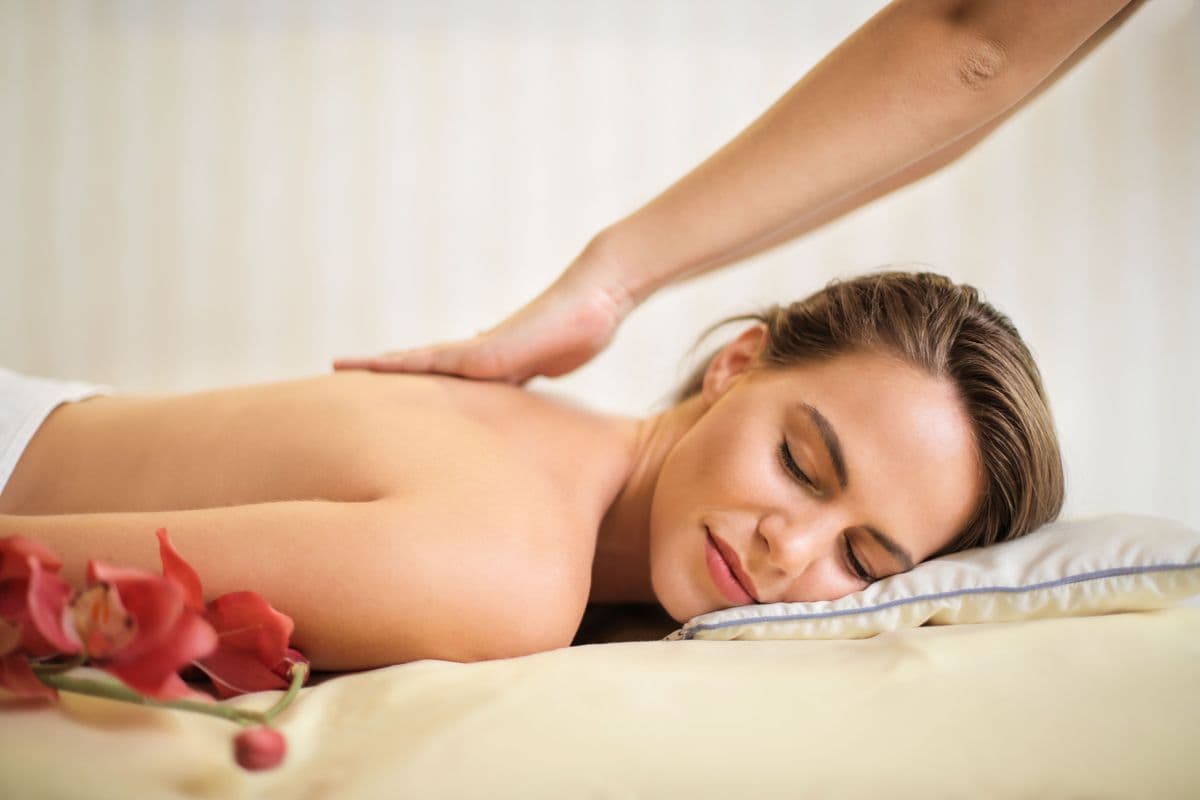
A relaxation massage is a full-body session with long, flowing strokes and light to medium pressure. Its aim is to calm body and mind together rather than to work on one specific area.
Best for: first-timers, anyone needing a break from daily stress, and women who struggle to unwind at night.
Typical length: about an hour.
How you feel afterwards: calm, loose and ready to rest — which is why evening bookings are popular.
You can book a relaxation massage at home with LAMORA and go straight to bed afterwards, with no drive home.
Hot stone massage: warmth that goes deep
Hot stone massage combines relaxation strokes with smooth, carefully heated basalt stones placed on key points or used for the massage itself. The warmth helps muscles release faster, so you reach deep relaxation without heavy pressure.
Best for: lovers of warmth, stiff muscles, and anyone wanting a more luxurious experience.
Not for: heat sensitivity, circulation problems or pregnancy unless your doctor agrees.
Tip: tell your specialist straight away if a stone feels warmer than comfortable.
Back and shoulders massage: for desk and phone tension
This session focuses on the neck, shoulders and upper back — the areas that take the strain of screen time, carrying children and constantly looking down at a phone.
Best for: office workers, students and mothers, and anyone with heavy shoulders or frequent tension headaches.
Length: shorter than a full-body massage, so it fits into a busy day.
Pair it with: simple daily neck stretches and a screen raised to eye level.
Lymphatic massage is a very gentle technique of light, rhythmic strokes in specific directions, aimed at helping you feel lighter and less puffy. The pressure is far softer than a classic massage — many women are surprised by how soothing it is.
Best for: heavy legs after long hours standing, or puffiness after travel.
Important: it does not treat any medical condition; if you have heart, kidney or vascular issues, check with your doctor first.
Other types worth knowing
Foot and leg massage
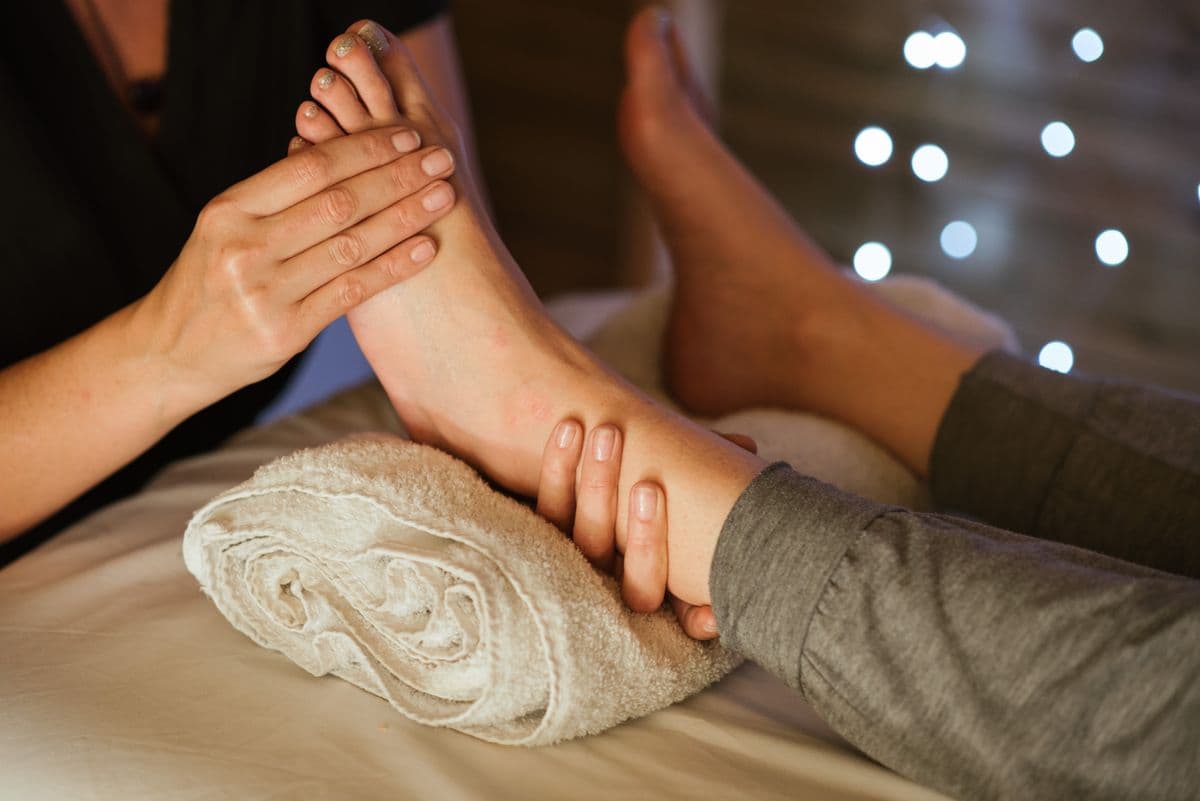
A focused session for tired feet and legs — ideal after a long day on your feet or an evening event. Short, comforting and easy to add to another service.
Head massage
Gentle movements over the scalp and neck that bring quick calm, especially on stressful days or restless nights.
Wood therapy
Uses specially shaped wooden tools to massage the body with steady pressure. Many women choose it for a firming, invigorating feel; body-contouring results vary from person to person and depend on a balanced lifestyle.
How to choose the right massage
Ask yourself one question before booking: how do I want to feel afterwards? Then use this quick guide:
I want to relax and sleep deeply: relaxation massage or head massage.
My neck and shoulders are tight: back and shoulders massage.
I love warmth and want something special: hot stone massage.
I feel heavy or puffy: lymphatic massage.
My feet are exhausted after an event: foot and leg massage.
Still unsure? Start with a relaxation massage and explore the others as you learn what your body enjoys.
How often should you get a massage?
There is no single rule, but a session every two to four weeks suits most women looking for regular relaxation and care. If your work causes recurring tension, shorter focused sessions at closer intervals may help more.
More important than frequency is consistency and listening to your body: if anything feels unusually painful during the session, tell your specialist so she can ease the pressure or change technique.
Tips before and after your massage
Avoid heavy meals for at least an hour beforehand.
Take a warm shower before the session to prepare your muscles.
Tell your specialist about any injury, pregnancy, health condition or oil allergy.
Drink water afterwards and give your body time to rest.
Skip strenuous exercise straight after your massage.
Why massage feels even better at home
Because the relaxation does not end when the session does. At home there is no drive afterwards, no waiting room and no stepping back out into the heat and traffic — you stay in your comfortable space and keep resting.
With LAMORA you choose the massage type and length, set your address and time, and a trained specialist arrives with the massage table, oils and towels. You can book sessions for yourself and your sister or mother at the same time, or send a massage as a gift to someone you love.
Frequently asked questions
Which massage is best for beginners?
A relaxation massage is the best start: moderate pressure and flowing strokes let you discover what feels good before trying other types.
Does massage hurt?
It should not. You may feel pressure on tight spots, but sharp pain is a signal to ease off — tell your specialist right away.
Can I have a massage while pregnant?
Massage during pregnancy needs your doctor's approval first, and your specialist should know how far along you are before starting.
What do I need to prepare at home?
A quiet space large enough for a massage table, two clean towels and soft lighting if possible. Your specialist brings the table, oils and tools.
An hour of calm you deserve
Pick the massage that suits you and book it with LAMORA at a time that works for you, in the privacy of your home.